
American oddities

America has some odd things about it:


  • Mechanical systems: when opening a bank account, the customer service officer will literally rap to you what accounts are available, what features and so on. People who sell fast food as well, seem to be in a trance-like state, mechanical even. This is perhaps due to the fact that they have to serve multiple people in a day, so no dilly dallying. This reminds me of Kenyan waiters who we keep waiting for 5 minutes while deciding whether we want mbuzi kaanga or mbuzi choma.
Queue at a popular fast food joint
  • Strange names for some things: football as we know it is called soccer, taps are called faucets, a bonnet is called a hood, a boot is called a trunk, petrol is called gas, takeaway is called takeout and many more.
  • Address systems: one of the easiest systems of navigation is the house numbering system widely employed in the US. This simple and obvious system is so useful, that it is impossible to get lost if one knows the address. With Google's Maps and satellite navigation, you can find virtually anyone, if given the correct street address. This is something we can employ in Kenya to avoid using "the house near the mugumo tree" kind of address.
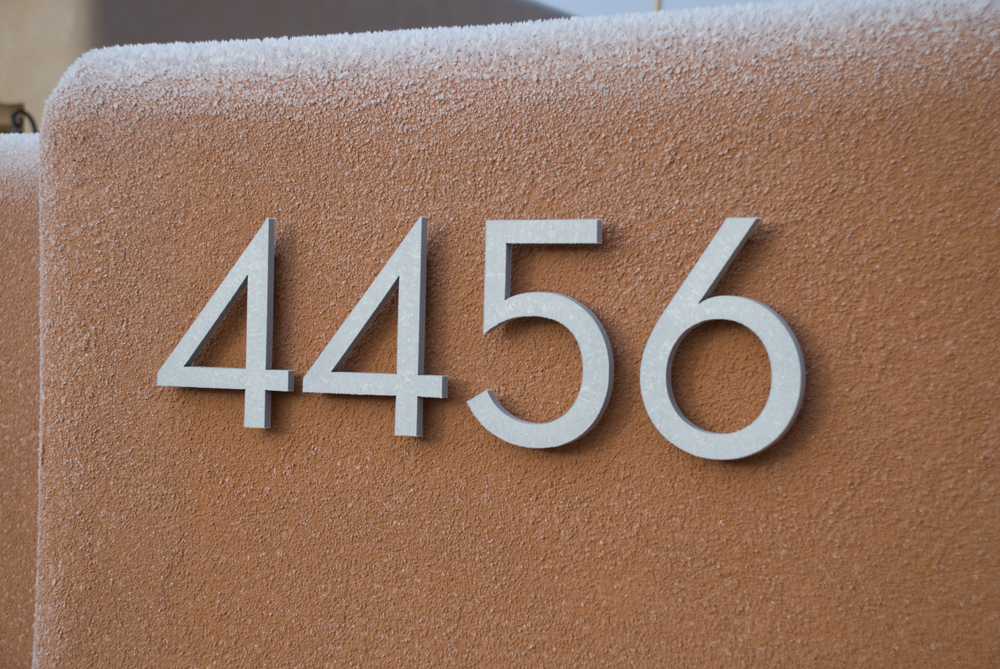
Most US homes have a number and a street address making it easier to find

  • Sockets don't have switches: this is odd. I can't imagine why the socket holes are always powered ;) 
These sad looking sockets seem to have lost their "on" and "off" switches.

  • Government services work: though citizenry pays taxes to federal and state governments, the government seems to provide sufficient water, gas and electricity to its citizens.


Comments

Popular posts from this blog

Opportunities and challenges presented by the AfCFTA

President Kenyatta joined other African heads of state on March 21 in signing the #AfCFTA. What does this mean for Kenya? It means that Kenya's goods and services could have a broader market to sell to. It also means that locally made goods and services will face increased competition from similar products in the African market, especially if other countries have a comparative advantage. What is the projected net effect of these two sides of trade? Well, it's difficult to predict. It depends on which goods are on the schedule of reduction of tariffs both for other countries and Kenya. Pres. Kenyatta signs the AfCFTA Image courtesy of PSCU   Looking at other similar regional pacts such as North America's #NAFTA or the EU, we can see that trade between countries increases many fold. But as in the case of Mexico which saw the bankrupting of peasant farmers due to cheap corn and other agricultural produce from subsidized American farms, the aggregate effect might be po...

Day 2: To Bali, New Year's Eve

We spent most of new year's eve in transit. We left Ibis Styles Hotel at 10.30am, got to Jakarta international airport, got our tickets to Denpasar (in Bali) and left for Bali about 2.30pm (about 30mins late due to air traffic density at the airport) In transit at Jakarta Airport domestic departures; after check-in on the way to Denpasar Photobombed by Tom Hilde and Tom Jones We arrived in Denpasar around 7pm, where we met with Sunday who had arranged our transportation to Ubud. It took us the next hour and a half weaving through ever narrowing roadways towards Ubud, which is our home for the next six days. The driving in Bali immediately reminded me of Nairobi. Traffic wasn’t too bad, but driving a car involved checking both sides of the mirror because scooters, mopeds and motorbikes weave in and out of lanes at breakneck speed, with little warning or caution. Further, while passing huge vehicles like buses and lorries, our drive honked twice to let the other car know...

Analyzing a carry trade proposal: Short USD, go long on bitcoin

I recently completed an assignment for an International Economics Policy class which entailed designing a carry trade. A carry trade is a financial transaction that involves borrowing (short) in a low interest currency, and lending (go long) in a high interest (yield) currency. For instance from Bloomberg 's rates for bonds, this would involve borrowing in Swiss francs (rate is -0.15 percent) and lend in New Zealand dollars (rate is 2.83 percent). All else remaining equal, the carry trade would yield a rate differential of 2.83+0.15 = 2.98 percent. Note: this is an unusual case where the interest rate we are borrowing from is negative; usually, this would involve subtracting the first interest rate from the second. For instance, borrowing in Japanese yen (0.04 percent) and lending in Kiwi dollars (at 2.83 percent) would yield 2.79 percent as profit. My carry trade in this case involves borrowing in USD at a rate of 2.33 percent, and buying bitcoins. But, what, you may ask, is the...