
American Systems that Work

A few things that are making my life easier while trying to adjust in University of Maryland, College Park.


Shuttle Bus and Metro System: I am using Google to know which bus number is going where I want to go. The buses are tracked by satellite and you know when one is running late. This is a proper "public" transportation system.


A Metro bus going somewhere

Lyft and Uber: even though these work in Kenya, these services have been very helpful on those odd trips to unknown places like looking for a place to live.


Airbnb: the cheap alternative to hotels and motels has proved very useful. I have also met very interesting people from all over the world.

Airbnb


Motorists are very "sane" on the road: A STOP sign means stop; in Kenya, we always ignore most signs. Pedestrians and cyclists are accorded right of way, without much hassle.
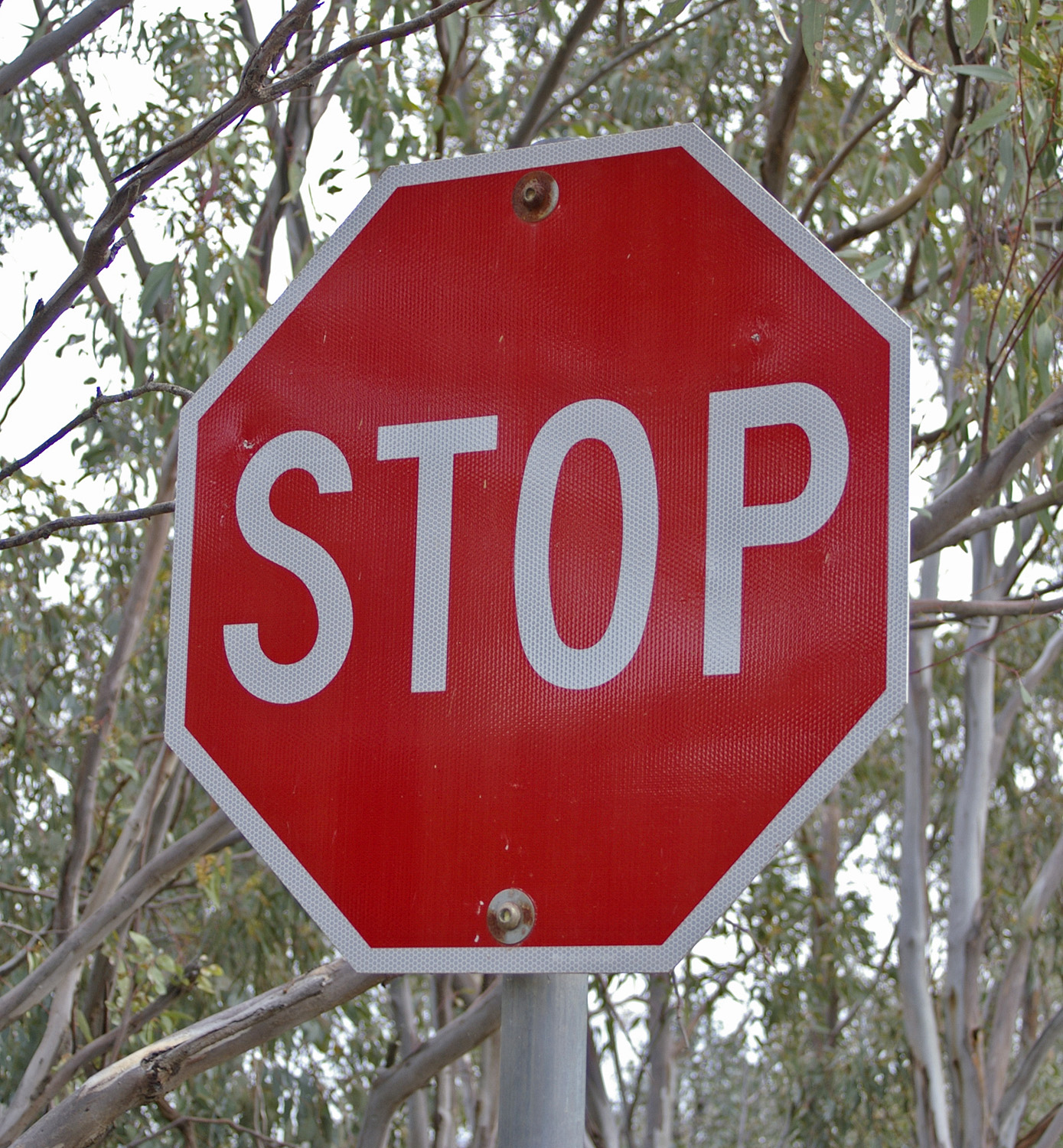
A STOP sign

Internet is very fast: yeah, like the Fios I am using at the Airbnb.

Comments

Popular posts from this blog

Opportunities and challenges presented by the AfCFTA

President Kenyatta joined other African heads of state on March 21 in signing the #AfCFTA. What does this mean for Kenya? It means that Kenya's goods and services could have a broader market to sell to. It also means that locally made goods and services will face increased competition from similar products in the African market, especially if other countries have a comparative advantage. What is the projected net effect of these two sides of trade? Well, it's difficult to predict. It depends on which goods are on the schedule of reduction of tariffs both for other countries and Kenya. Pres. Kenyatta signs the AfCFTA Image courtesy of PSCU   Looking at other similar regional pacts such as North America's #NAFTA or the EU, we can see that trade between countries increases many fold. But as in the case of Mexico which saw the bankrupting of peasant farmers due to cheap corn and other agricultural produce from subsidized American farms, the aggregate effect might be po...

Day 2: To Bali, New Year's Eve

We spent most of new year's eve in transit. We left Ibis Styles Hotel at 10.30am, got to Jakarta international airport, got our tickets to Denpasar (in Bali) and left for Bali about 2.30pm (about 30mins late due to air traffic density at the airport) In transit at Jakarta Airport domestic departures; after check-in on the way to Denpasar Photobombed by Tom Hilde and Tom Jones We arrived in Denpasar around 7pm, where we met with Sunday who had arranged our transportation to Ubud. It took us the next hour and a half weaving through ever narrowing roadways towards Ubud, which is our home for the next six days. The driving in Bali immediately reminded me of Nairobi. Traffic wasn’t too bad, but driving a car involved checking both sides of the mirror because scooters, mopeds and motorbikes weave in and out of lanes at breakneck speed, with little warning or caution. Further, while passing huge vehicles like buses and lorries, our drive honked twice to let the other car know...

On thinking

Why do I believe what I believe? Why are my values what they are? Where do my thoughts come from? Are my ideals 'mine'? The question of thought, is a complex one, not least because thinking is so difficult. Many of us do not think, we take the thoughts of others and use them as the foundations, walls, or thatching of our mental structures. But we rarely think, and deep enough on important matters anyway. Thinking involves the admission that we do not know, an admission coming from a place of humility that we are ignorant and could do better. It does not, as is usually thought, have to be from a place of knowledge, even though knowledge can inform thoughts. If it was, then we would not necessarily be thinking, but just reorganizing previously known ideas. It begins with asking the question, why. Why do we go to school? Why do we marry and have children? Why do we work to earn money in order to buy things? Why do we elect leaders? Why do we go to places of worship and perfo...