Day 13: Bukit Lawang, Orangutans

Oil palm bunch

This was zesty

Tofu making in the background

Rubber

We began the day at 10 and Dede and Danny and his group showed us around the Bukit Lawang area and village.
We saw many things
    • Roof making from palm tree leaves
    • Making of tofu
    • Making of brown palm tree sugar
    • Rubber plantations
    • Rice plantations
More importantly, we came in contact with leeches, and Julie got a bleed from one of them
In the afternoon after lunch, we had a session with people from Orangutan Haven who explained to us about their works
Afterwards, Kelly, a former student of the program last year (2017) explained about the Orangutan health project
    • Self-medicating orangutans
    • Use of their medicines for humans
    • Parasite research
Afterwards, Dede and Danny gave us a list of the things to bring to tomorrow's hike and day and night in the jungle.

This place has a lot of monkeys, cheeky ones at that. They go through trash, and if you leave clothes out, they might  rip them and generally mess with you.
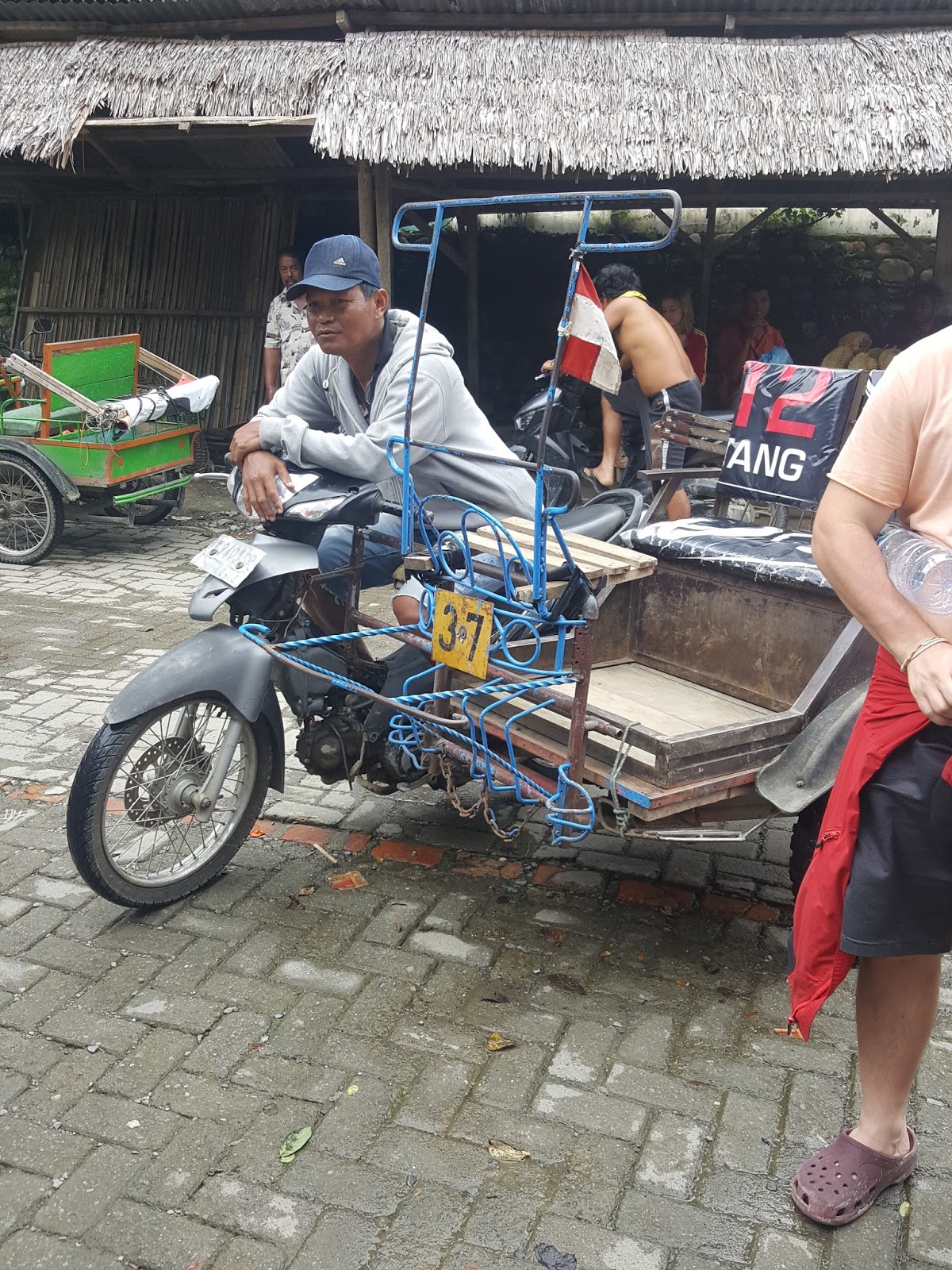
A becak

Comments

Popular posts from this blog

Analyzing a carry trade proposal: Short USD, go long on bitcoin

I recently completed an assignment for an International Economics Policy class which entailed designing a carry trade. A carry trade is a financial transaction that involves borrowing (short) in a low interest currency, and lending (go long) in a high interest (yield) currency. For instance from Bloomberg 's rates for bonds, this would involve borrowing in Swiss francs (rate is -0.15 percent) and lend in New Zealand dollars (rate is 2.83 percent). All else remaining equal, the carry trade would yield a rate differential of 2.83+0.15 = 2.98 percent. Note: this is an unusual case where the interest rate we are borrowing from is negative; usually, this would involve subtracting the first interest rate from the second. For instance, borrowing in Japanese yen (0.04 percent) and lending in Kiwi dollars (at 2.83 percent) would yield 2.79 percent as profit. My carry trade in this case involves borrowing in USD at a rate of 2.33 percent, and buying bitcoins. But, what, you may ask, is the...

On thinking

Why do I believe what I believe? Why are my values what they are? Where do my thoughts come from? Are my ideals 'mine'? The question of thought, is a complex one, not least because thinking is so difficult. Many of us do not think, we take the thoughts of others and use them as the foundations, walls, or thatching of our mental structures. But we rarely think, and deep enough on important matters anyway. Thinking involves the admission that we do not know, an admission coming from a place of humility that we are ignorant and could do better. It does not, as is usually thought, have to be from a place of knowledge, even though knowledge can inform thoughts. If it was, then we would not necessarily be thinking, but just reorganizing previously known ideas. It begins with asking the question, why. Why do we go to school? Why do we marry and have children? Why do we work to earn money in order to buy things? Why do we elect leaders? Why do we go to places of worship and perfo...

What Africa may learn from Trump presidency

President-Elect Trump successfully ran under the banner of making America first, reducing foreign 'interference' and trying new ways to work with partners on the international scene to solve some intractable challenges. The first tenet, in my opinion, is something that should interest African nations, because of the collective acknowledged viewpoint of making Africa work for Africans. Looking back at the powers that scrambled for Africa more than 125 years ago to present day, we see challenges that have been brought about by the fact that Africa still remains a playground for western powers. The Democratic Republic of Congo fails to move forward due to the strong interests that keep fueling violence in order to continue the parasitic extraction of the vast resources with little benefit to the people of Congo. The CFA countries of Central and West Africa still depend on precolonial arrangements with France to manage their monetary policies, stealing the initiative fro...